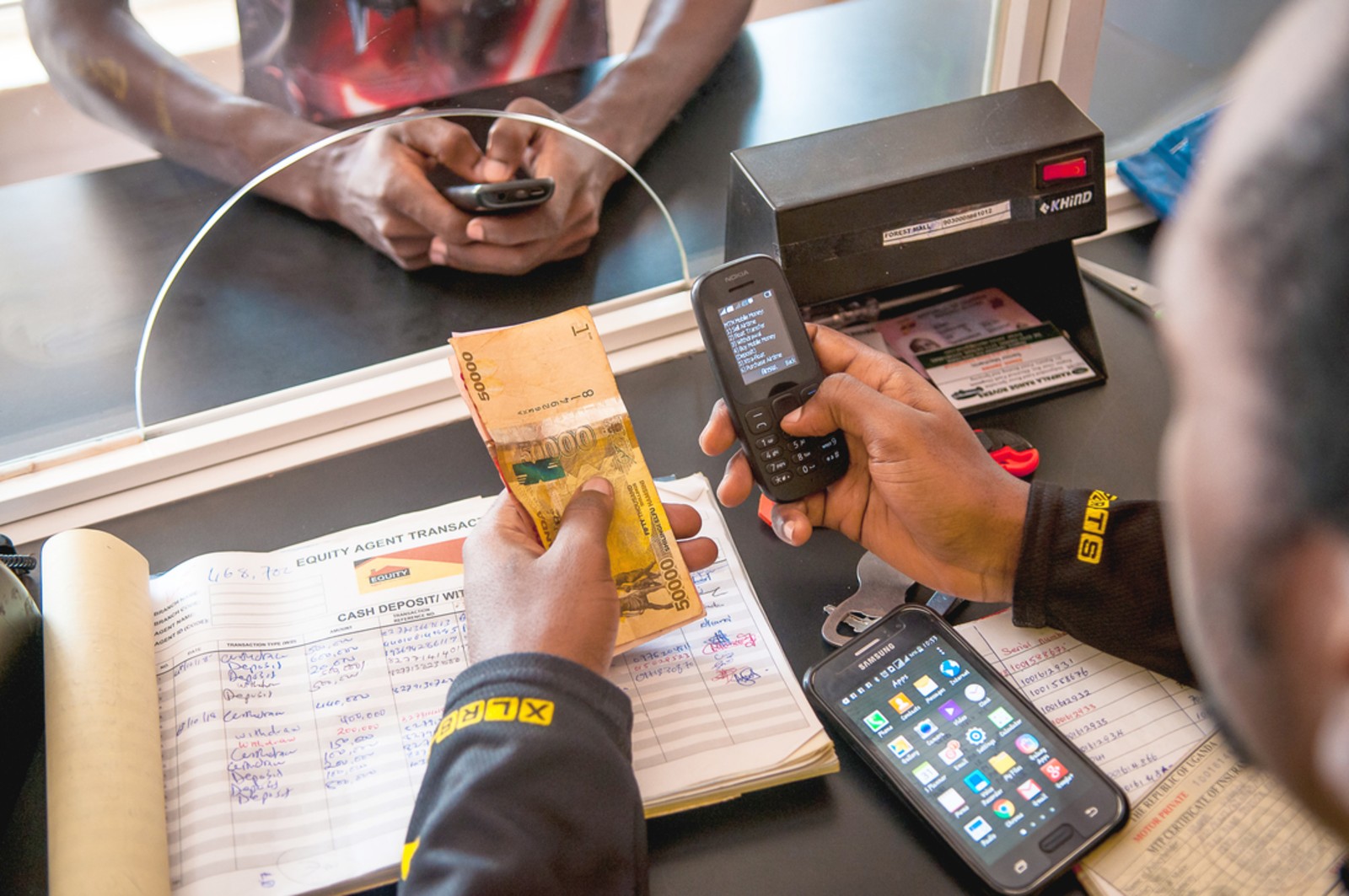
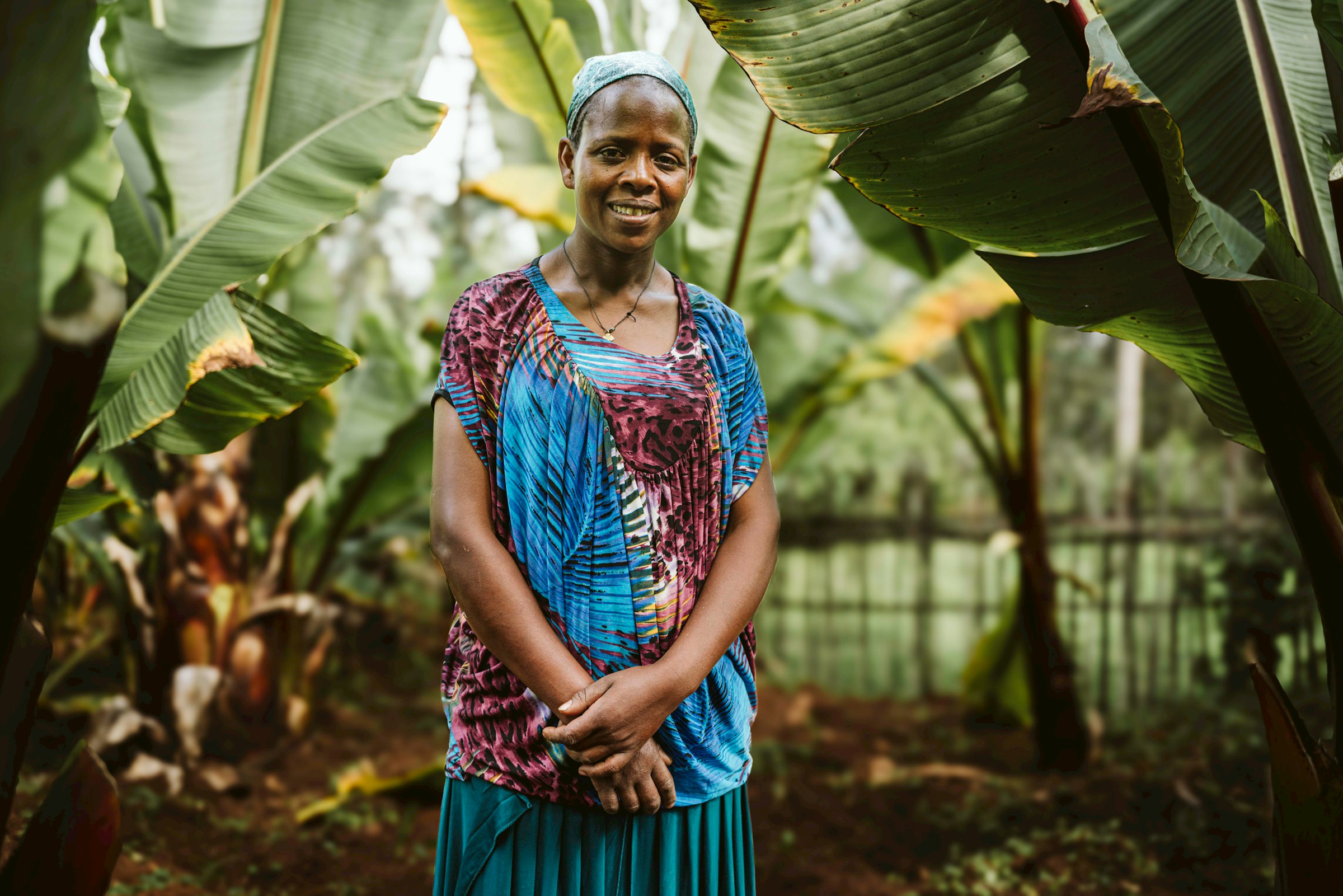
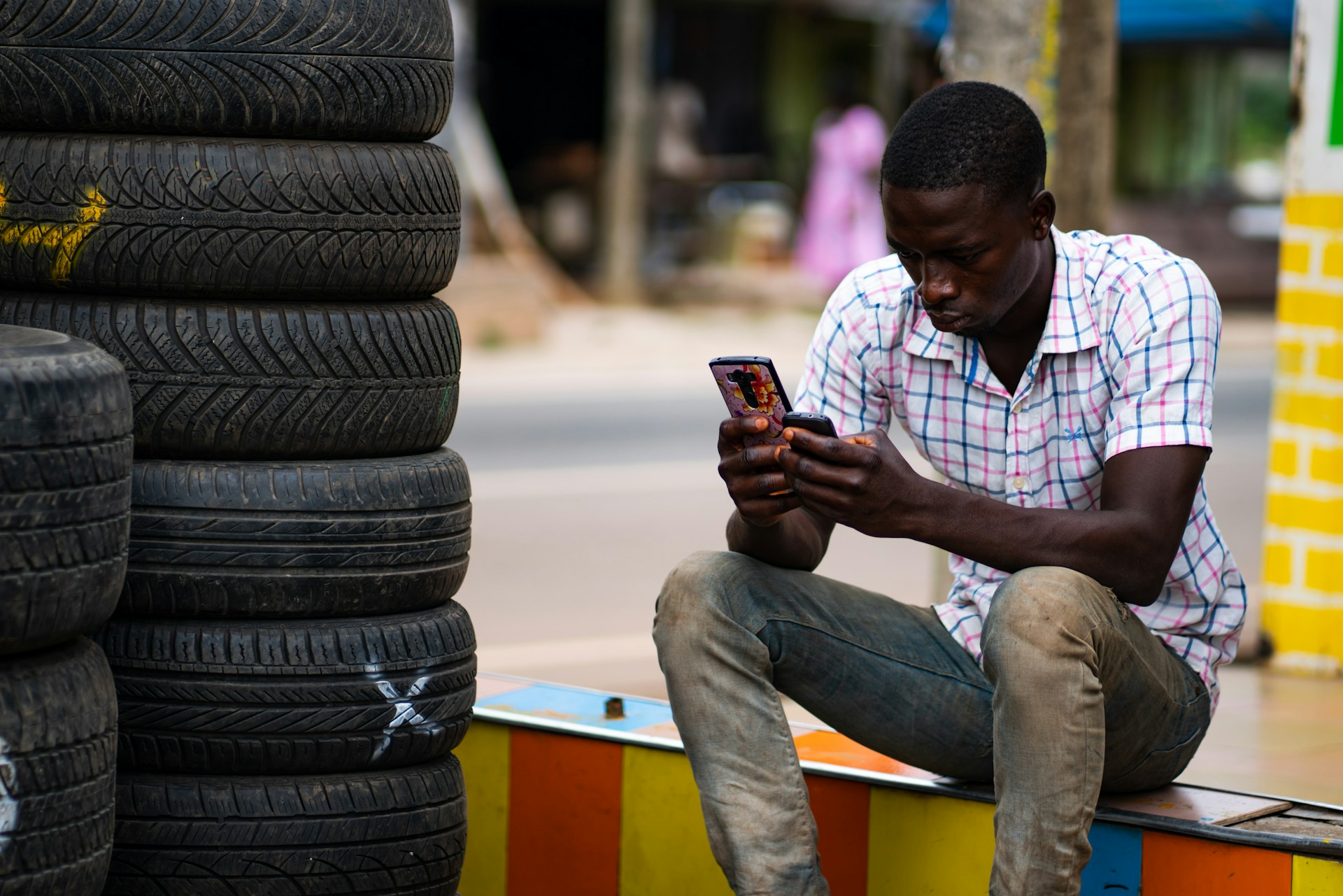
Africa has more unbanked people than any other continent and the fastest-growing Bitcoin adoption rate in the world. Yet almost every wallet people here are using was designed by someone who has never sat across a table from an African Bitcoin user and watched them struggle.
That's the gap this report is about. We spent ten months running usability tests in five countries to map exactly where that gap is and how much it's costing Bitcoin adoption on this continent.
About This Research
340 moderated usability tests conducted between March 2025 and January 2026 across Kenya (89 participants), Nigeria (94), Ghana (67), South Africa (52), and Ethiopia (38). Participants ranged from first-time users to experienced traders. Sessions were conducted in local languages wherever possible.
The Headlines
Across all five countries, 73% of first-time users couldn't complete a self-custody onboarding flow without help. 89% hit at least one moment of confusion serious enough that they considered quitting entirely.
That's not a fringe result. Those are the majority of people Bitcoin needs to reach.
The good news: our case study work with a Kenya-based wallet shows these numbers move quickly with the right fixes. None of the changes required touching the Bitcoin protocol or rebuilding the product from scratch.
What We Found, Country by Country
Bitcoin UX isn't one problem. The barriers shift depending on where you are, the infrastructure people use, the languages they think in, the financial tools they already trust. Here's the breakdown.
| Country | Participants | Top UX Barrier | Abandonment | Context |
|---|---|---|---|---|
| 🇰🇪 Kenya | 89 | Seed phrase backup anxiety | 71% | 4G widely available, M-Pesa dominant mental model |
| 🇳🇬 Nigeria | 94 | Fee confusion at checkout | 84% | Mixed 3G/4G, high mobile data costs |
| 🇬🇭 Ghana | 67 | Address format distrust | 76% | Improving 4G, Mobile Money (MoMo) dominant |
| 🇿🇦 South Africa | 52 | KYC friction at onboarding | 58% | Good urban 4G, significant rural gap |
| 🇪🇹 Ethiopia | 38 | English-only interfaces | 91% | 2G/3G common, Amharic primary language |
Kenya: The M-Pesa Problem
Kenya has high Bitcoin adoption rates and a relatively open regulatory environment. But our research kept running into the same wall: M-Pesa has trained Kenyan users to expect money to move in a very specific way.
They expect to send using a phone number. They expect transactions to be reversible. They expect confirmation in seconds. When a Bitcoin wallet shows a 32-character address instead of a phone number, or takes 10 minutes to confirm, users don't think "Bitcoin works differently." They think something has gone wrong.
"I typed the address three times. Each time I thought, this cannot be right. Who sends money to something that looks like this?"
Participant, Nairobi, Kenya (first-time Bitcoin user)The highest-impact fix in this market is address humanisation: showing a recognisable name alongside the Bitcoin address. In our Kenya case study, that single change reduced address-related abandonment by 34%.
Nigeria: The Fee Shock Problem
Nigeria had our highest participant count (94 people) and the second-highest abandonment rate (84%). The failure wasn't happening at onboarding. It was happening at checkout.
We call it the "final screen shock." Users enter an amount, enter an address, get through the whole flow, and then discover on the confirmation screen that the total cost, including network fees, is significantly higher than expected. In 67% of Nigerian test sessions, participants either abandoned or cut their transaction amount after seeing the fee for the first time at that final step.
Key Finding: Fees Are Hidden Until It's Too Late
Not a single wallet we tested showed fee estimates before the confirmation screen. Users only discovered the true cost of a transaction after they'd already entered all their details. Showing an estimated fee range at the amount entry step, before users commit, reduced abandonment by 41% in our tests. Users don't object to fees. They object to surprises.
Ghana: Address Distrust
Ghana's Mobile Money ecosystem has trained users to recognise what a valid payment string looks like. When someone used to MoMo sees a Bitcoin address for the first time, 26 to 62 characters of mixed case, the instinct isn't curiosity. It's suspicion.
In 61% of Ghanaian sessions, participants asked the facilitator whether the address was actually correct before sending. In real-world use without a facilitator present, most would have stopped there.
South Africa: KYC Friction
South Africa had the lowest abandonment rate in our study (58%) and the most financially literate participants on average. The dominant failure point was KYC: identity verification requirements that participants found intrusive, confusing, or simply too slow. Several described abandoning wallets mid-onboarding because the verification process felt more like a bank application than a financial tool.
Ethiopia: 91% Abandonment. One Root Cause.
Of the 38 Ethiopian participants, only 4 completed a basic send transaction without language-related assistance. The others couldn't, not because Bitcoin is too complex, but because nobody had translated the interface into the language they think in.
"My son translates for me. But he is not always there. So I wait. Sometimes I just don't do it."
Participant, Addis Ababa, Ethiopia (age 54, market trader)A 91% abandonment rate driven almost entirely by a missing Amharic translation is not a Bitcoin problem. It's a product decision that hasn't been made yet.
Four Failure Points That Cross Every Border
Nationality, age, and financial background didn't predict failure as reliably as four specific design problems that kept showing up everywhere.
1. Seed Phrase Backup
The 12 or 24-word seed phrase is the most important concept in self-custody Bitcoin. In our research, it's also the single best predictor of user abandonment. Across all five countries, 73% of first-time users either skipped the backup step entirely (when the wallet allowed it), made errors, or showed enough distress that they couldn't continue.
What Actually Happened at the Seed Phrase Screen
Skipped entirely (wallet allowed it): 41% of participants
Completed but with errors: 19% of participants
Completed correctly but visibly distressed: 28% of participants
Completed correctly and confidently: 12% of participants
Wallets present seed phrase backup as a technical ritual without explaining what it is, why it matters, or what happens if it's lost. Users told us they felt like they were doing something irreversible and dangerous, which they were, with no real understanding of the stakes. High stakes and zero context reliably produce abandonment.
2. Transaction Fees
Fee confusion isn't a Nigerian problem. It's everywhere. Across all five countries, 79% of participants were surprised by the fee shown at the confirmation screen. In 34% of sessions, that surprise caused abandonment or a significant change to the transaction.
No wallet we tested showed fee estimates before the confirmation screen. That's not a Bitcoin limitation. It's a design choice that predictably loses users.
3. Bitcoin Addresses
A Bitcoin address looks like nothing people have sent money to before. Phone numbers, bank accounts, Mobile Money IDs: all have familiar patterns and predictable lengths. A Bitcoin address doesn't. Across our research, 68% of participants expressed verbal uncertainty about whether they had the right address before sending. Given that a wrong address means permanent, unrecoverable loss, that uncertainty isn't irrational. But wallets do almost nothing to address it.
4. English-Only Everything
Even participants who rated their English proficiency as "good" consistently performed worse on English-only interfaces when the task involved financial decisions. Thinking about money and reading English are different cognitive activities. Financial decisions require confidence, and confidence requires your first language. Until Bitcoin wallets are available in Swahili, Hausa, Amharic, Twi, Yoruba, and Zulu at minimum, the language barrier will keep most of Africa's potential users out.
What's Actually Working
Not everything in our research was failure. A few patterns delivered genuinely strong results.
QR Codes
Despite all the anxiety around Bitcoin addresses, QR code scanning performed remarkably well. When participants scanned a QR code instead of typing an address manually, task completion jumped from 31% to 78%. QR codes work because they take address verification off the user entirely. The camera handles it. That's the same pattern already dominant in M-Pesa, MoMo, and bank transfers across Africa. Wallets that lean into QR are working with existing habits instead of fighting them.
Sats Over BTC
When participants saw amounts in BTC (e.g., 0.00023 BTC), 71% expressed confusion about the value. The same amount in sats (23,000 sats) and 64% assessed it quickly. Whole numbers beat decimals every time, across all five countries. For a continent where many common transactions are under $10, this matters.
Progress Indicators
Wallets that showed "Step 2 of 4" during multi-step flows had 38% lower abandonment compared to wallets with no progress indication. Knowing how long something takes changes the experience of doing it. People don't quit because processes are long. They quit when they don't know how long is left.
The Kenya Case Study: What Happens When You Fix Things
The clearest data from our 2025-2026 work comes from a six-month engagement with a Kenya-based wallet provider. We identified seven priority UX problems and worked with their product team to implement five fixes. Here's what happened:
| UX Change | Before | After | Change |
|---|---|---|---|
| Fee shown at amount entry | 61% | 36% | -41% |
| Address humanisation | 58% | 38% | -34% |
| Seed phrase: plain language explanation added | 74% | 52% | -30% |
| Progress indicator added to send flow | 43% | 27% | -37% |
| Sats display as default | 39% | 28% | -28% |
| Overall transaction abandonment | 67% | 22% | -67% |
Five targeted changes. No protocol modifications, no core architecture rebuild. Overall transaction abandonment dropped from 67% to 22%.
The Gap Underneath Everything
The Bitcoin ecosystem has extraordinary technical infrastructure: open protocols, robust node software, decades of accumulated engineering knowledge. What it doesn't have, especially for African markets, is shared UX infrastructure.
Every wallet team that wants to serve African users has to run their own research, develop their own design patterns, and learn the same hard lessons independently. The Kenya findings above aren't proprietary secrets. Any competent UX team would reach them with enough testing. But most teams don't have the time or budget for that research, so the same failures keep shipping.
"We knew our onboarding had problems. We didn't know where. We didn't have the research capacity to find out. We were guessing."
Product lead, West African Bitcoin wallet (interview, November 2025)That's what Bitcoin UX Africa is building: not another wallet, but the shared research, patterns, and knowledge that every African Bitcoin wallet needs and no single team can afford to build alone.
Five Things Builders Should Do This Year
1. Show Fees Before the Confirmation Screen
Display an estimated fee range at the amount entry step. This single change reduces abandonment by 35-41% across every African market we've tested. It costs one sprint to ship.
2. Make Seed Phrase Backup Human
Replace technical seed phrase screens with plain-language explanations. What is it? Why does it matter? What happens if it's lost? Use local analogies like a key or a PIN, not cryptographic terminology. Then test the explanation with non-technical users before shipping.
3. Default to Sats
Display amounts in satoshis, not BTC decimals. Especially critical for markets where sub-$10 transactions are the norm. Whole numbers are easier to understand, compare, and remember.
4. Commit to One Local Language, Fully
Pick the most spoken language in your primary market and translate your core flows completely. A half-translated wallet is often worse than an English-only one because the inconsistency erodes trust. Start with one language, do it properly, then expand.
5. Test With Real Users
Most of the failures in this report would have surfaced in a single day of moderated testing with five representative users. A two-day research sprint in Lagos, Nairobi, or Accra will tell you more about your product's real failure points than six months of analytics. The problem isn't that builders don't care. It's that most have never watched a real user try their product.
What We're Watching in 2026
Lightning Network adoption is growing across African markets. Instant settlement and near-zero fees directly address two of the biggest pain points in this report: confirmation anxiety and fee shock. But Lightning brings its own UX complexity, things like channel management, liquidity, and invoice expiry, that can be just as disorienting for new users as on-chain transactions. The opportunity is real and the execution has to be careful.
Local language wallet projects are starting to emerge, particularly in Swahili and Hausa-speaking communities. We're actively seeking to support these efforts with research and design resources.
Progressive web apps are increasingly viable for African markets. Lower data requirements, no app store friction, works on more device types. Several wallet teams are exploring PWA-first approaches, and our research suggests they could meaningfully reduce onboarding abandonment driven by data costs and storage limitations.
Where This Leaves Us
Bitcoin has a UX problem in Africa. It's measurable, it's significant, and as the Kenya data shows, it's fixable.
The 340 people in this research aren't abstractions. They're traders, teachers, mothers, and farmers who came to a testing session because they wanted to understand Bitcoin. Most left having failed to complete basic tasks, not because they couldn't, but because the tools were built without them in mind.
If you build Bitcoin products for African markets, we want to hear from you. If you fund Bitcoin development and care about adoption, we want to talk. And if you're an African designer or researcher who wants to contribute, we have a place for you.
Cite This Report
Bitcoin UX Africa. (2026). The State of Bitcoin UX in Africa 2026: Research Report. Bitcoin UX Infrastructure for Africa. Retrieved from https://bitcoinux.africa/blog/posts/state-of-bitcoin-ux-africa-2026.html